
Good lighting can completely change the way a room looks and feels. While a single ceiling fixture may provide enough light to see, relying on one source of lighting can leave a space feeling flat or create areas that are too bright or too dark.
Layering your lighting is a way to combine different types of fixtures throughout a room to create a more balanced and flexible environment. By using ambient, task, and accent lighting together, you can make your home more functional while adding depth and visual interest to your interior design.
Whether you are building a new home, renovating an existing space, or simply updating your fixtures, understanding how to layer lighting can help you create a more intentional design.
Start With Ambient Lighting
Ambient lighting is the foundation of a room’s lighting plan. It provides general illumination and helps make the space comfortable to use.
Ceiling fixtures, chandeliers, recessed lights, and flush-mount fixtures are common sources of ambient lighting. The right choice depends on the size and layout of the room as well as your overall design style.
For example, a chandelier can provide general illumination while becoming a focal point in a dining room, while recessed lighting may be better suited to creating an even spread of light throughout a kitchen or living space.
Add Task Lighting Where You Need It
Task lighting is designed to provide additional illumination in areas where you perform specific activities.
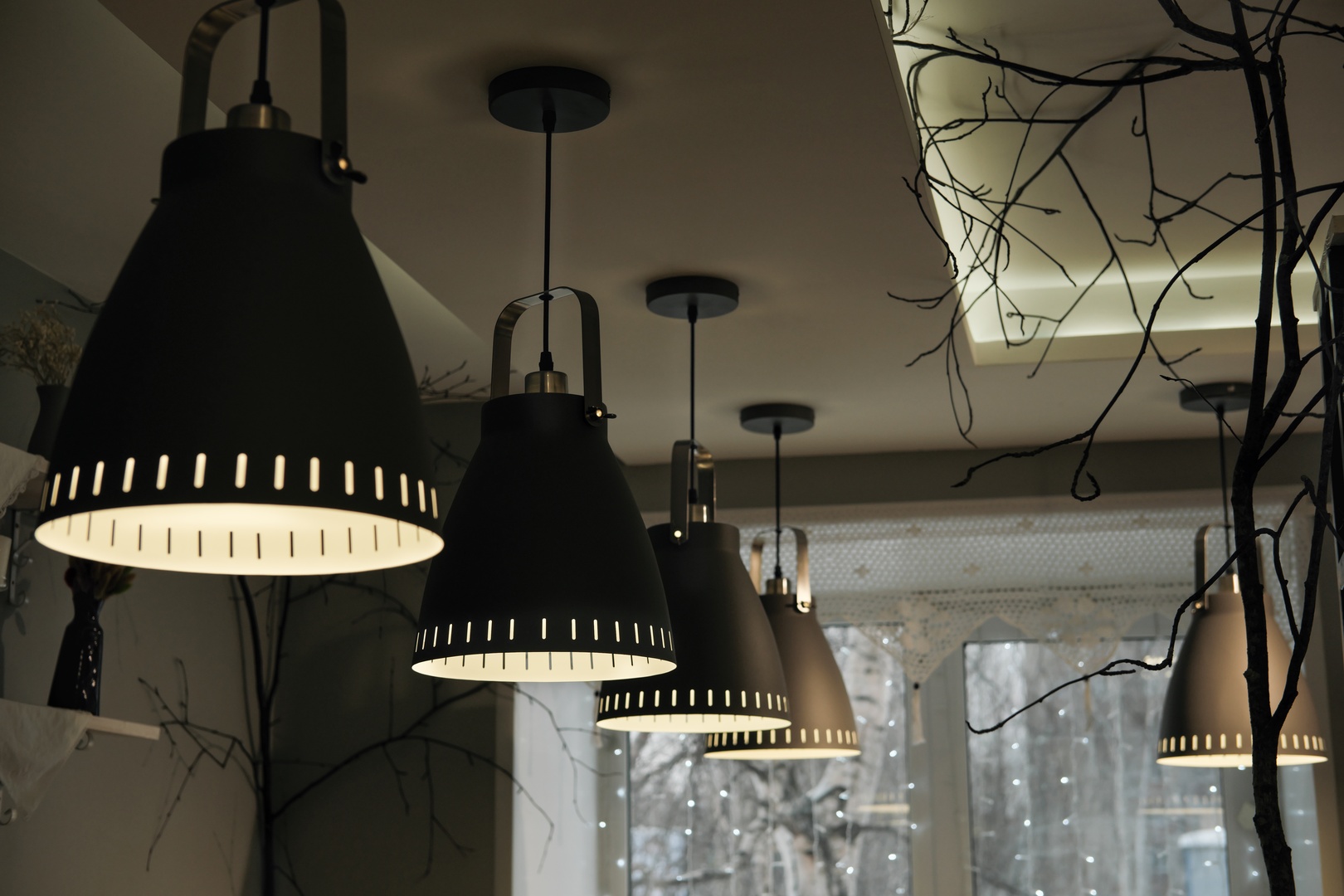
In a kitchen, this could include pendant lights over an island or under-cabinet lighting over countertops. In a bathroom, vanity lighting can provide focused illumination around the mirror. A desk or reading area may benefit from a dedicated lamp or wall-mounted fixture.
The goal is to make frequently used areas easier to see without requiring the entire room to be brightly illuminated.
Use Accent Lighting to Highlight Features
Accent lighting adds another layer by drawing attention to specific features within a room.
You can use accent lighting to highlight artwork, architectural details, shelving, decorative objects, or other features you want to stand out. Wall sconces, directional fixtures, and smaller decorative lights can all be used to create these points of interest.
Accent lighting does not have to be dramatic. Even subtle illumination can help add depth and make a room feel more visually complete.
Layer Lighting in the Kitchen
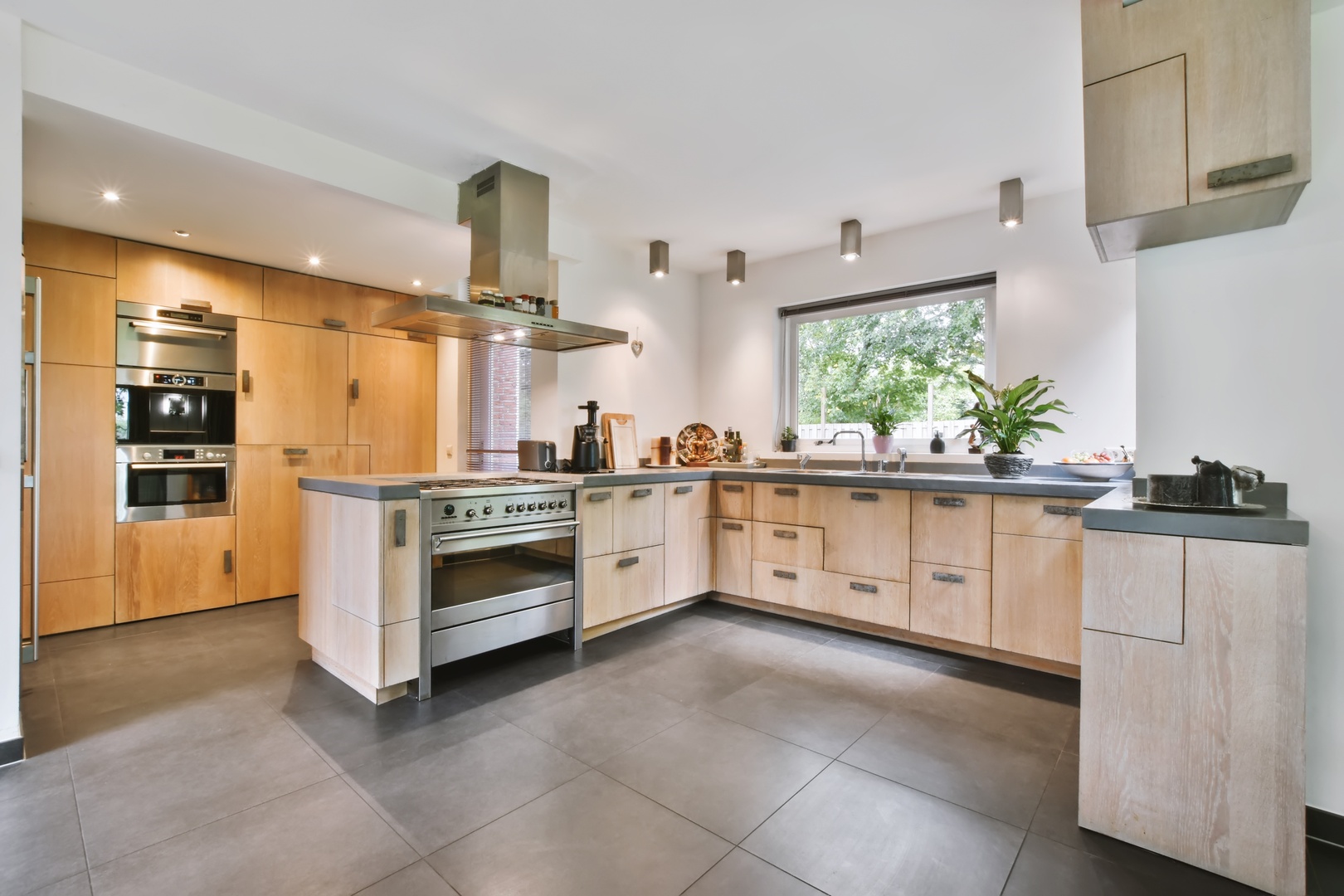
Kitchens are one of the best examples of why layered lighting is useful. They often need bright, practical illumination for cooking and food preparation while also functioning as gathering spaces.
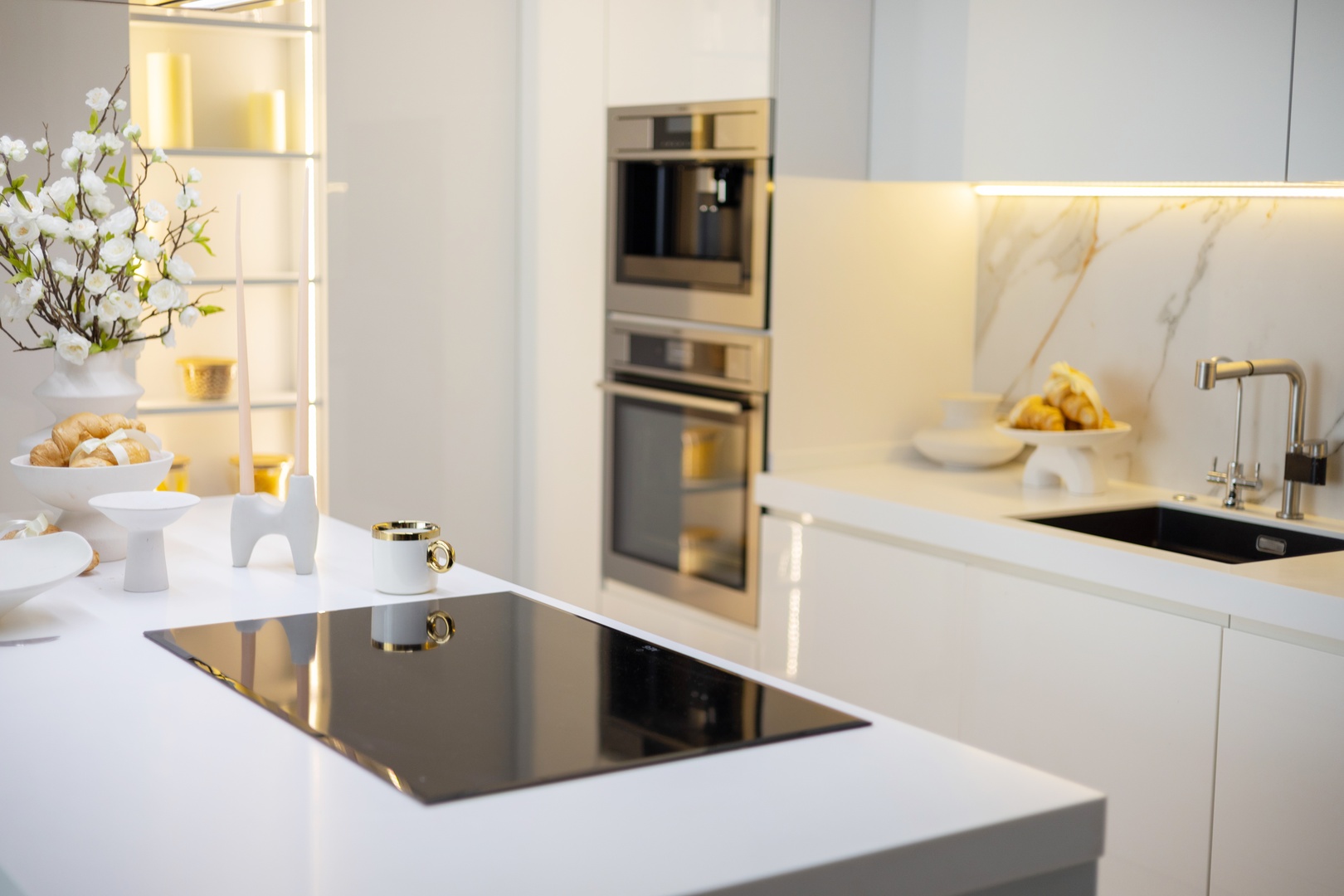
Pendant lights over a kitchen island can provide task lighting while adding a decorative element. Under-cabinet lighting can illuminate countertops, while ceiling fixtures or recessed lighting provide general illumination throughout the room.
Combining these different fixtures allows you to adjust the atmosphere depending on what you are doing in the kitchen.
Create a More Comfortable Living Room
Living rooms can benefit from several different lighting sources rather than one central fixture.
A chandelier or ceiling fixture can provide ambient lighting, while floor lamps, table lamps, or wall sconces can add softer illumination around seating areas.
Accent lighting can also be used to highlight artwork, built-ins, or other design features. Having several sources of light gives you more flexibility to create a brighter environment during the day or a softer atmosphere in the evening.
Don’t Forget the Bathroom
Bathrooms need practical lighting, but that does not mean they need to feel purely functional.
Vanity lighting is particularly important because it provides illumination around the mirror. Depending on the design of your bathroom, wall sconces or vanity fixtures can be combined with ceiling lighting to create a more balanced space.
When choosing bathroom fixtures, consider both the amount of illumination you need and how the fixture works with your faucets, hardware, cabinetry, and other finishes.
Consider Dimmers and Controls
Layered lighting becomes even more useful when you can control each source independently.
Dimmers allow you to adjust the brightness of compatible fixtures depending on the time of day and how the room is being used. You may want brighter lighting while preparing dinner and softer lighting when entertaining guests.
If you are planning a renovation or new build, consider your lighting controls early in the design process so your fixtures and electrical layout can work together effectively.
Make Different Fixtures Work Together
Layering does not mean every light fixture needs to match exactly. In fact, using different styles, sizes, and types of fixtures can add character to a space.
The key is finding common elements that connect the different fixtures. Finishes, shapes, materials, and overall design styles can all help create a cohesive look.
For example, pendant lights over an island and a chandelier over a nearby dining table do not need to be identical, but choosing complementary finishes or design elements can help the two areas feel connected.
Explore Lighting Options at Aura Interiors
Creating a layered lighting plan is about combining different fixtures for different purposes. Ambient lighting provides the foundation, task lighting focuses on areas where you need additional illumination, and accent lighting helps highlight the features that make your home unique.
If you are looking for lighting in Abbotsford or throughout the Fraser Valley, Aura Interiors offers a curated selection of fixtures for kitchens, bathrooms, dining rooms, living spaces, and more.
Contact us today for professional help and guidance on all things lighting!